All Projects
A complete archive of my work and deployments.
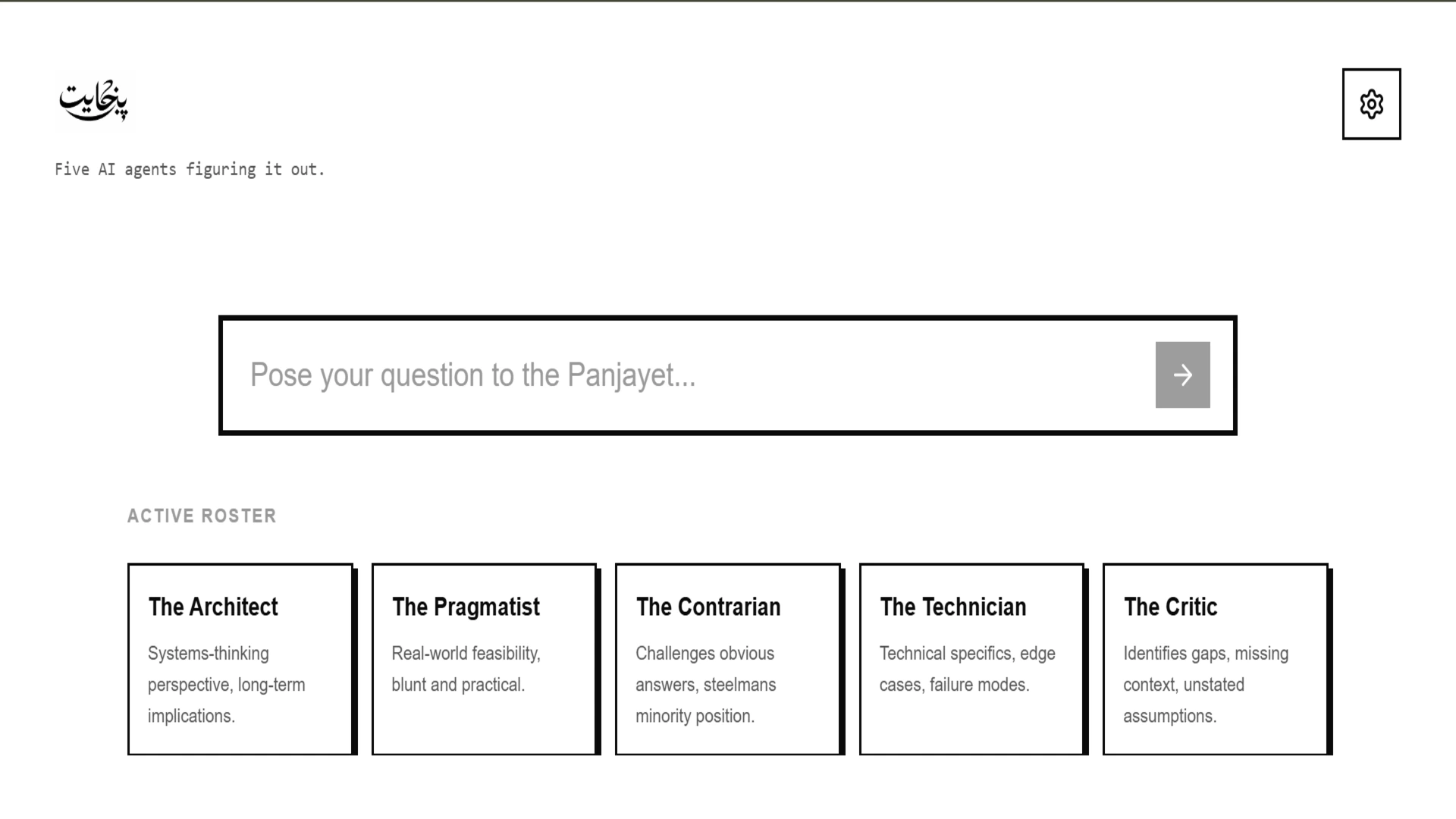
A stateless multi-model deliberation engine that routes queries through five LLMs and orchestrates adversarial cross-examination between them. Outputs a structured Contested Zone that pinpoints exact disagreement vectors instead of averaging them away.
Role
Sole architect and engineer — designed the multi-agent debate protocol, FastAPI orchestration layer, and stateless API-key-on-client security model from scratch.
Problem
Single-model AI outputs hallucinate with full confidence. Cross-checking manually across five providers is slow and produces no structured diff of where models actually conflict.
Outcome
Deployed to production. Users can paste any query and receive a structured adversarial report with exact conflict zones in under 15 seconds, with zero server-side key storage.
System Stack
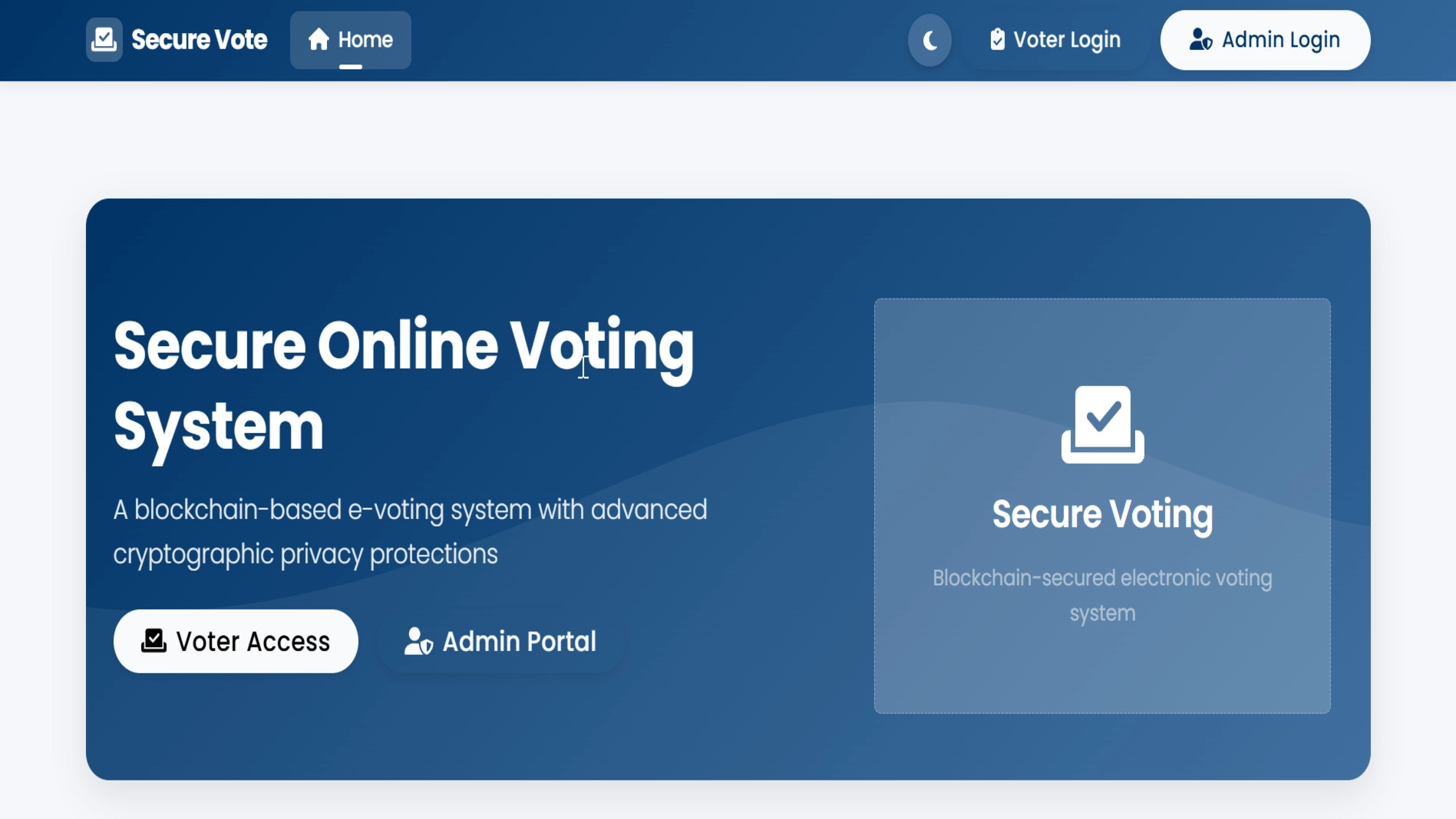
A full-stack voting platform built around Ring Signature cryptography — votes are anonymous by math, not by policy. OTP-gated auth enforces one-identity-one-vote without storing any linkage between an identity and its cast vote.
Role
Full-stack — implemented the Ring Signature scheme, designed the tamper-evident audit ledger in PostgreSQL, and built the React voting interface with OTP auth.
Problem
Digital voting systems either sacrifice anonymity for auditability or auditability for anonymity. Most implementations rely on policy controls rather than cryptographic guarantees.
Outcome
Voter anonymity is mathematically provable, not just promised. The audit ledger is publicly verifiable without de-anonymizing any vote record.
System Stack
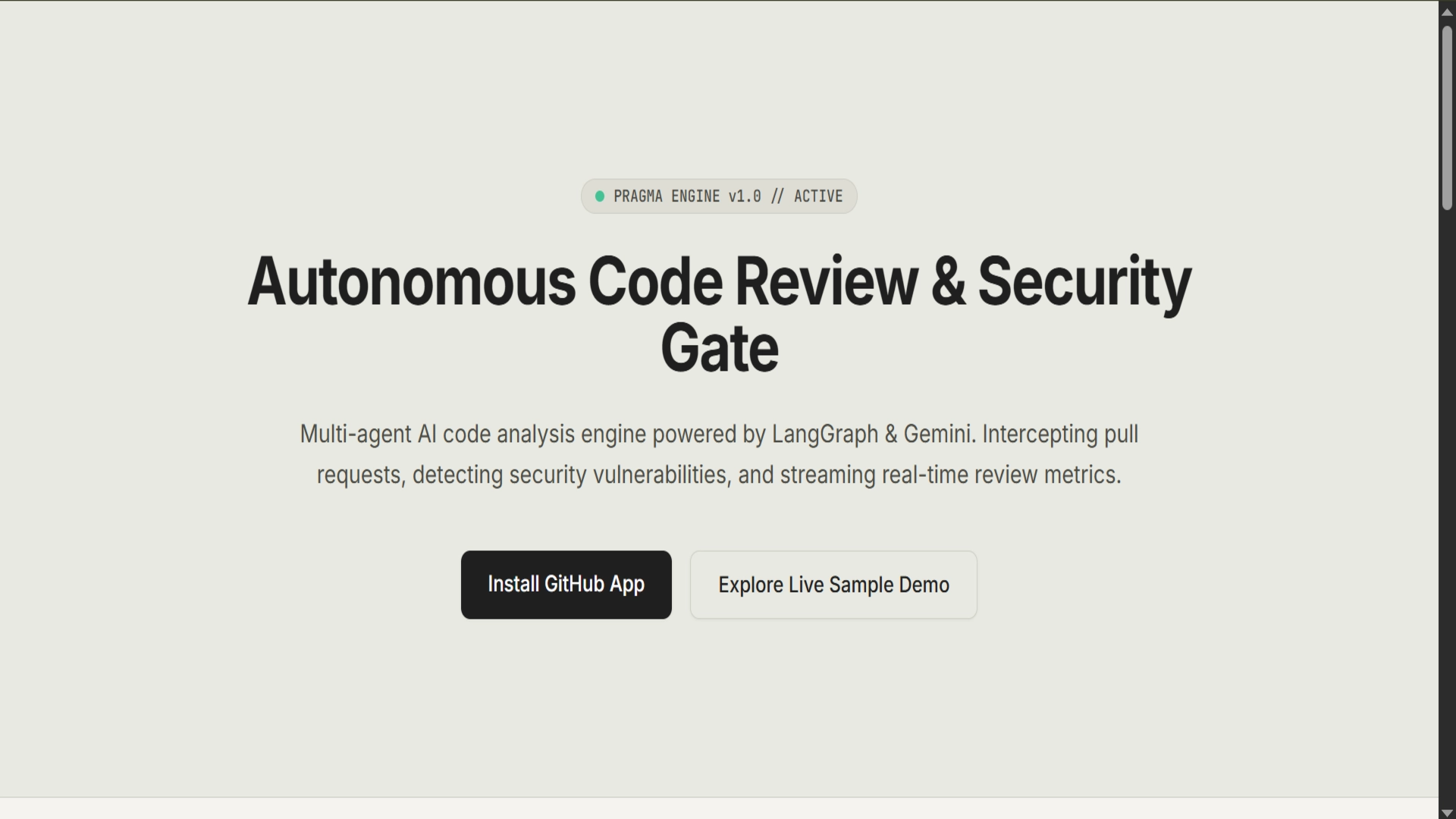
A LangGraph-orchestrated pipeline that fans out code submissions to parallel specialist agents covering security, architecture, and style — each powered by Gemini 2.5. Execution gates on human approval before merging agent outputs into a final structured report.
Role
Full-stack — built the LangGraph DAG, FastAPI streaming endpoints, HITL gate UI, and the Recharts telemetry dashboard tracking per-node latency and token spend.
Problem
Code review is sequential and bottlenecked by a single reviewer's domain depth. Security issues slip through architecture reviews and vice versa.
Outcome
Three specialist agents run in parallel, cutting single-domain review time by ~60%. The HITL gate catches pipeline regressions before they merge to the final report.
System Stack
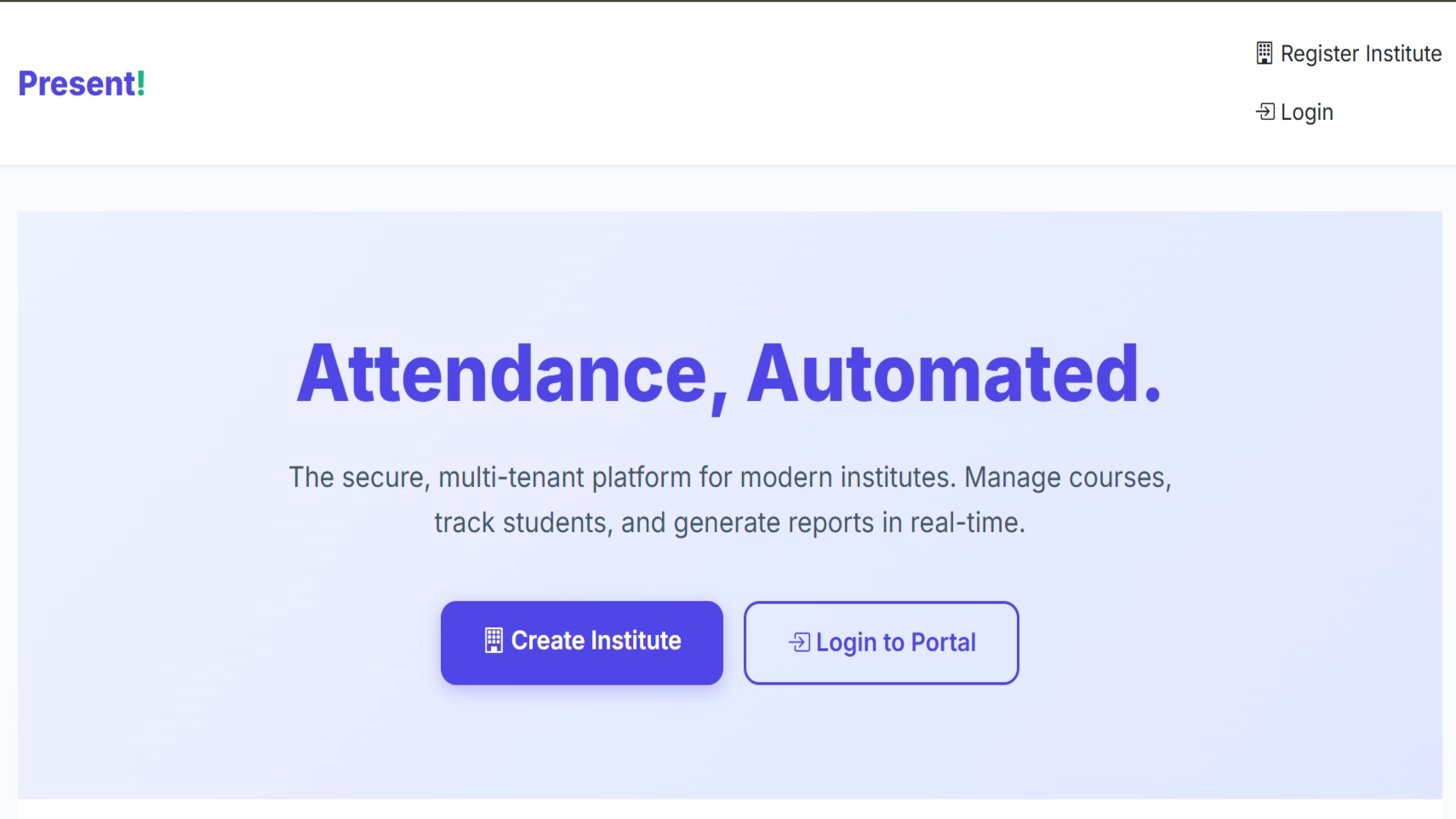
A multi-tenant attendance SaaS built on ASP.NET Core with a cryptographic Time-Lock Engine at its core. Session windows are enforced at the auth layer — not client-side — so proxy and spoofing attacks simply don't reach the application.
Role
Full-stack — designed the Time-Lock session protocol, implemented row-level security for tenant isolation, and set up the full Azure deployment pipeline with Terraform and GitHub Actions.
Problem
Students proxy their attendance through others. Standard time-based checks are client-enforced and trivially bypassed. Multi-tenant systems leak data across institution boundaries without proper RLS.
Outcome
Proxy abuse eliminated at the authentication layer. Zero reported cross-tenant data leaks. Live on Azure with automated CI/CD.
System Stack
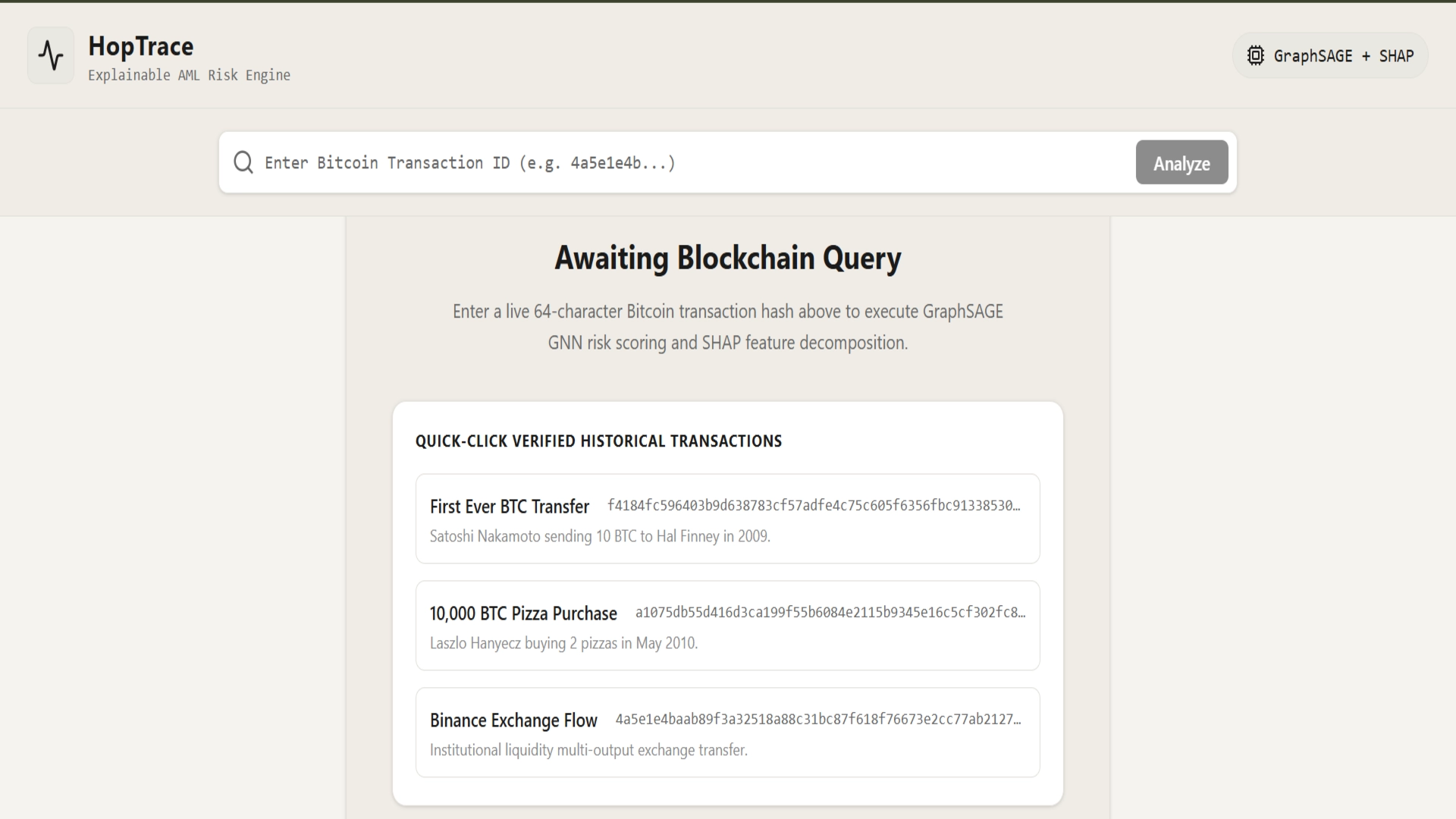
A Bitcoin UTXO risk scoring engine that ingests live mainnet transaction graphs from mempool.space and runs them through a PyTorch GraphSAGE model. SHAP attributions surface per-feature risk drivers on every prediction in real time.
Role
End-to-end — trained the GraphSAGE model on synthetic UTXO topologies, built the FastAPI scoring API, and engineered the React Flow multi-hop lineage visualization.
Problem
On-chain UTXO clustering heuristics flag wallet addresses but ignore the structural topology of the transaction graph — the actual signal that distinguishes mixing from normal fan-out.
Outcome
Model scores live mainnet transactions with SHAP-explainable outputs. Risk factors are surfaced per-node on the interactive graph within ~2 seconds of query submission.
System Stack
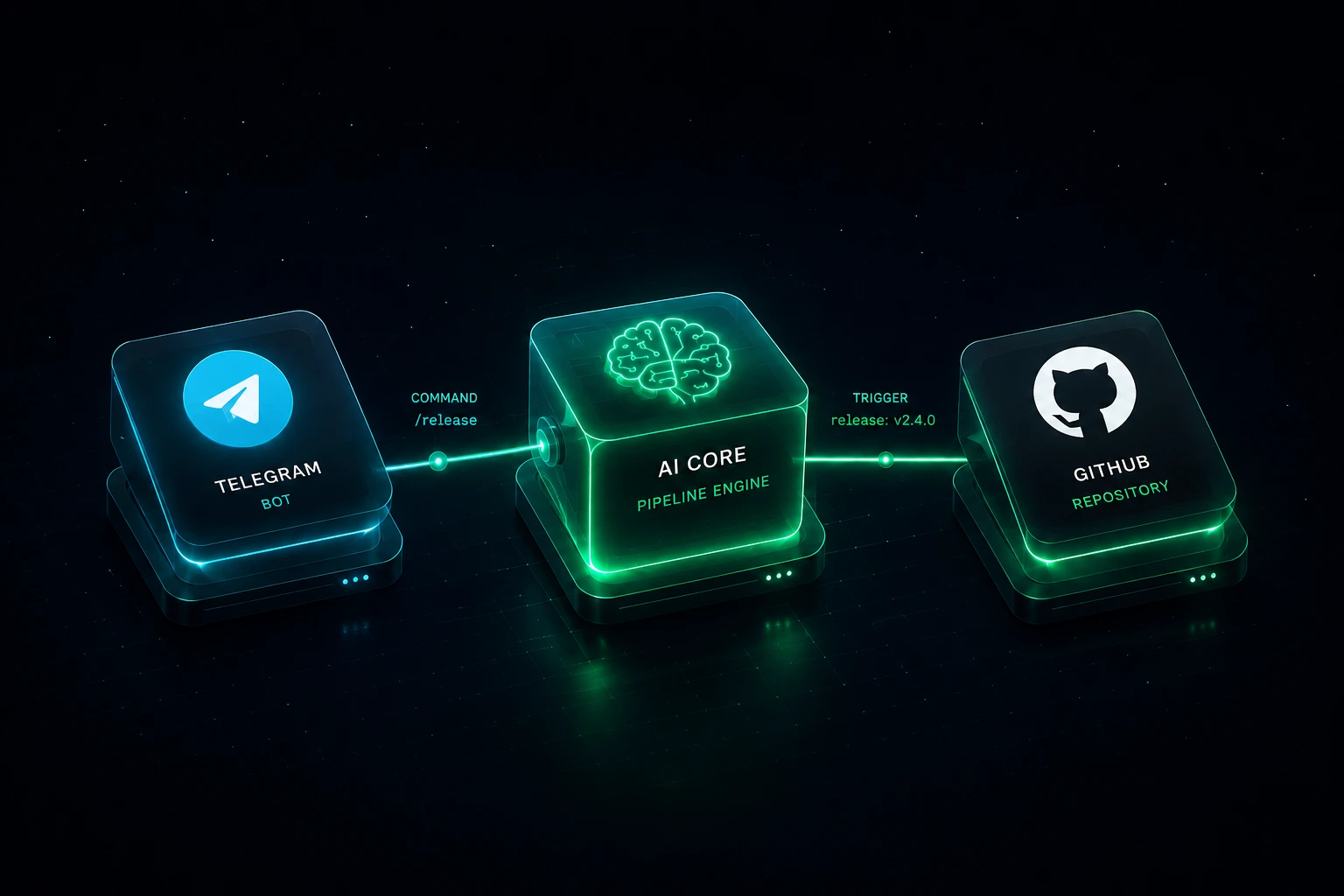
A Telegram-based HITL automation bot that reads GitHub READMEs, runs them through Gemini 2.5 Flash, and outputs standardized JSON configs plus ATS resume bullets. Approved entries are committed directly to the repo via the GitHub REST API — no manual steps.
Role
Sole builder — designed the Telegram approval flow, Gemini prompt pipeline, Supabase state store, and the GitHub REST API commit automation.
Problem
Keeping a portfolio repo and resume in sync after finishing a project is tedious manual overhead. There was no structured, reviewable pipeline to go from a README to a formatted portfolio entry.
Outcome
Portfolio update overhead dropped by ~98%. Every new project goes through a single Telegram approval before auto-committing formatted data to the repo.
System Stack
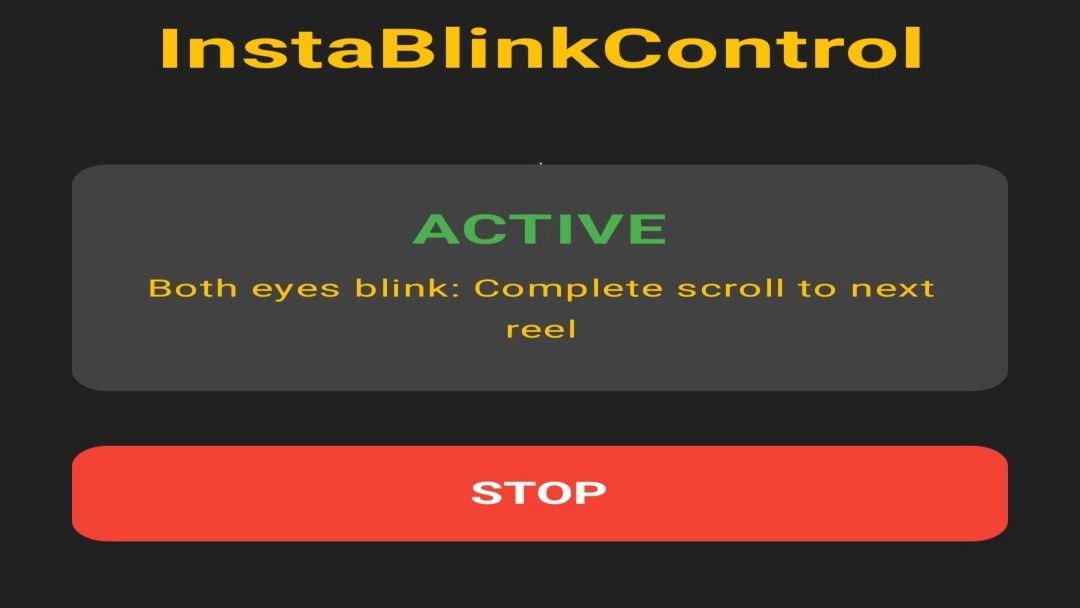
An Android app that scrolls short-form content hands-free by detecting eye blinks in real time using CameraX and Google ML Kit — all on-device, no network. A Foreground + Accessibility Service pipeline translates blink state-machine events into programmatic touch injections.
Role
Solo Android developer — implemented the CameraX ML Kit pipeline, blink state machine, Accessibility Service touch injection layer, and MVVM architecture with Coroutines and StateFlow.
Problem
Hands-free scrolling on Android required either expensive hardware or root access. Existing accessibility workarounds couldn't reliably distinguish intentional blinks from noise in real time.
Outcome
100% on-device processing with no external API calls. Blink events reliably trigger system-wide scroll gestures across short-form media apps. Shipped as a v1.0 release.
System Stack
A full-stack voting platform built around Ring Signature cryptography — votes are anonymous by math, not by policy. OTP-gated auth enforces one-identity-one-vote without storing any linkage between an identity and its cast vote.
Role
Full-stack — implemented the Ring Signature scheme, designed the tamper-evident audit ledger in PostgreSQL, and built the React voting interface with OTP auth.
Problem
Digital voting systems either sacrifice anonymity for auditability or auditability for anonymity. Most implementations rely on policy controls rather than cryptographic guarantees.
Outcome
Voter anonymity is mathematically provable, not just promised. The audit ledger is publicly verifiable without de-anonymizing any vote record.
System Stack
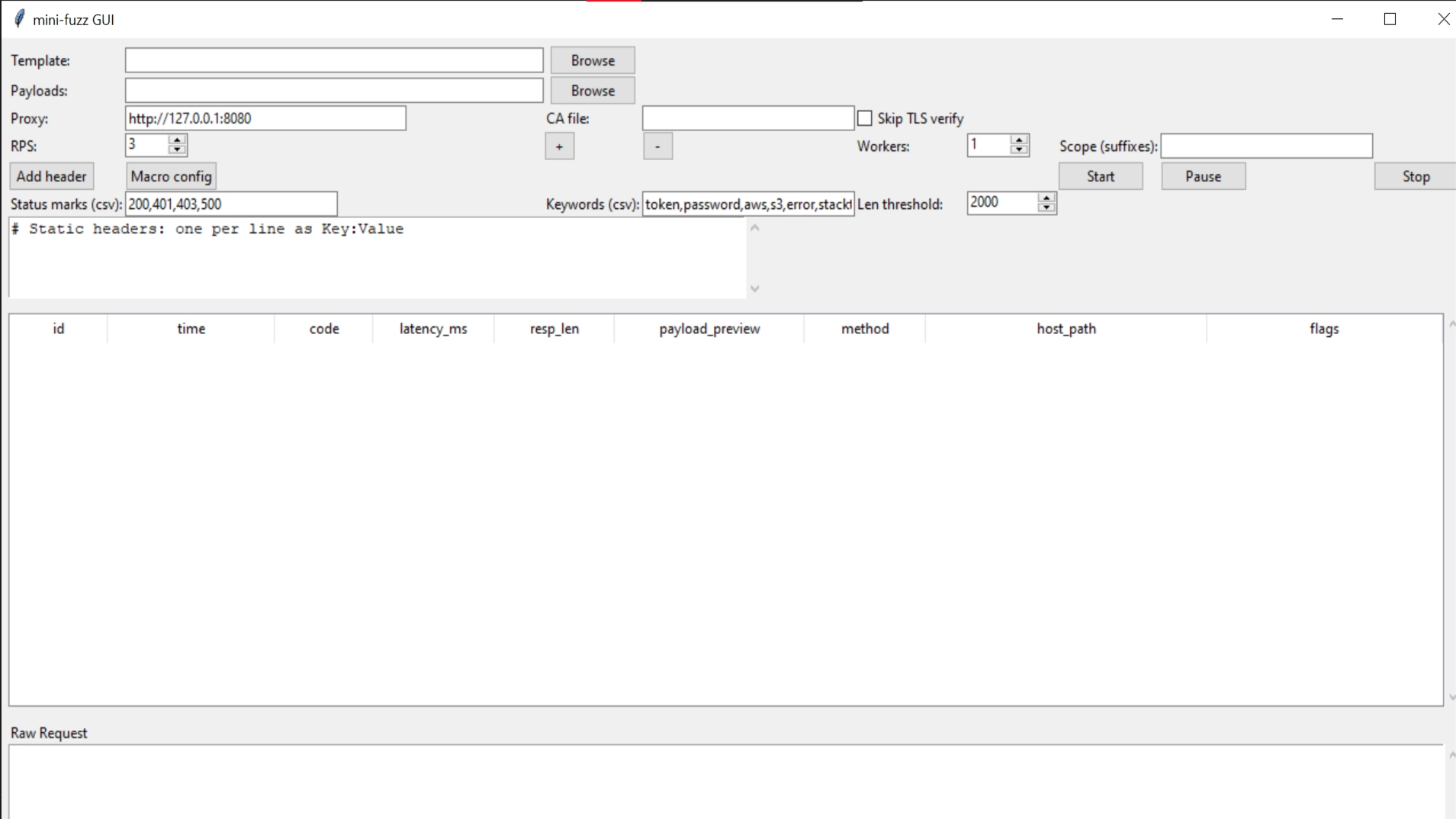
A raw-HTTP fuzzer for responsible bug-bounty recon — async, dual-mode (TUI + GUI), with a token-bucket RPS limiter and auto-pause on 429/5xx storms. Scope enforcement, CSRF macro flows, and credential-masked output are first-class features, not afterthoughts.
Role
Solo engineer — built the async httpx engine, token-bucket rate limiter, Rich TUI, Tkinter GUI, macro CSRF extraction flow, SQLite/CSV logging layer, and scope guardrails.
Problem
Burp Suite Intruder is gated behind a paid license and bloated for focused recon. Free alternatives lack rate limiting, scope enforcement, or safe output handling — making responsible use harder than it should be.
Outcome
A self-contained fuzzer that handles real bug-bounty workflows without Burp Suite. Rate limiting and auto-pause prevent unintentional DoS. Credential masking keeps output shareable by default.
System Stack